
From the car you drive to the smartphone in your pocket, so many modern marvels rely on a hidden hero: silicon metal (Si Metal). While it might sound complex, its role in the ferroalloy industry is straightforward and absolutely critical.
Think of silicon metal as the ultimate team player in metallurgy. It’s not often the final product, but without it, the entire process would fall apart. Its primary mission? To make iron and steel stronger, cleaner, and more reliable.
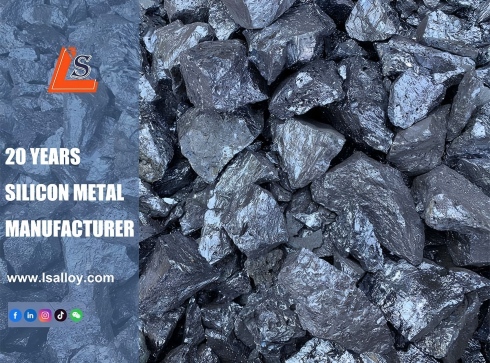
The Core Role of Silicon Metal in Ferroalloys
In the world of ferroalloys, silicon metal is a foundational ingredient. Its power comes from three main functions:
※※Deoxidization (The "Cleaner"): When steel is made, it contains excess oxygen, which makes it weak and brittle. Silicon has a stronger attraction to oxygen than iron does. When added, it grabs the oxygen, forming a solid silicon dioxide (SiO?) that floats to the top and is removed as slag. The result? Cleaner, tougher steel.
※※Inoculation (The "Organizer"): In cast iron, silicon helps control how the material solidifies. It encourages carbon to form soft, beneficial graphite instead of hard, brittle iron carbide. This process, called inoculation, is key to preventing cracks and ensuring the final casting is strong and machinable.
※※Alloying Base (The "Platform"): Silicon metal is the starting point for a whole family of essential ferroalloys like FerroSilicon (FeSi), Silicon Manganese (SiMn) and Silicon Calcium (CaSi). It acts as a carrier, bringing other useful elements into the mix to create specialized alloys.
Not All Silicon Metal is Equal: Understanding 553, 441, and 3303
This is where things get practical. The "grade" of silicon metal, defined by numbers like 553, 441, and 3303, tells you how pure it is. These numbers represent the maximum percentage of impurities (Iron, Aluminum, Calcium). Lower numbers mean higher purity, and different grades are used for different jobs.
553 Silicon Metal (The Workhorse):
This is the most common and cost-effective grade. It’s the go-to choice for producing standard Ferrosilicon (FeSi) used in general steelmaking and aluminum alloys. Think of it as the reliable, all-purpose tool in the toolbox.
441 Silicon Metal (The Upgraded Choice):
With lower impurity levels, 441 offers better performance. It's often used for higher-grade aluminum alloys and ferroalloys where a cleaner composition is needed for improved mechanical properties. It’s a step up in quality for more demanding applications.
3303 Silicon Metal (The Specialist):
This is a high-purity grade. Its low aluminum and calcium content makes it essential for producing polysilicon—the raw material for solar panels and electronic chips. It's also used in high-end silicone chemicals and top-tier aluminum alloys for aerospace. This is the specialist you call for when only the best will do.
The Foundation of Modern Industry
In short, this element is the silent backbone of the ferroalloy industry. Choosing the right grade isn't just a technical detail; it’s a strategic decision that impacts the quality, cost, and performance of countless final products.
So, the next time you admire a sleek building or a powerful engine, remember the humble silicon metal working behind the scenes, making it all possible.